FIFA World Cup 2026 Group F Could Become the Tournament’s Most Unpredictable Group
The FIFA World Cup 2026 Group F draw has created one of the most fascinating tactical battles of the tournament. Traditional European powerhouse Netherlands enter as favorites, but Japan’s rapid rise, Sweden’s disciplined structure, and Tunisia’s fearless underdog mentality could turn this group into a dramatic fight that goes down to the final matchday.
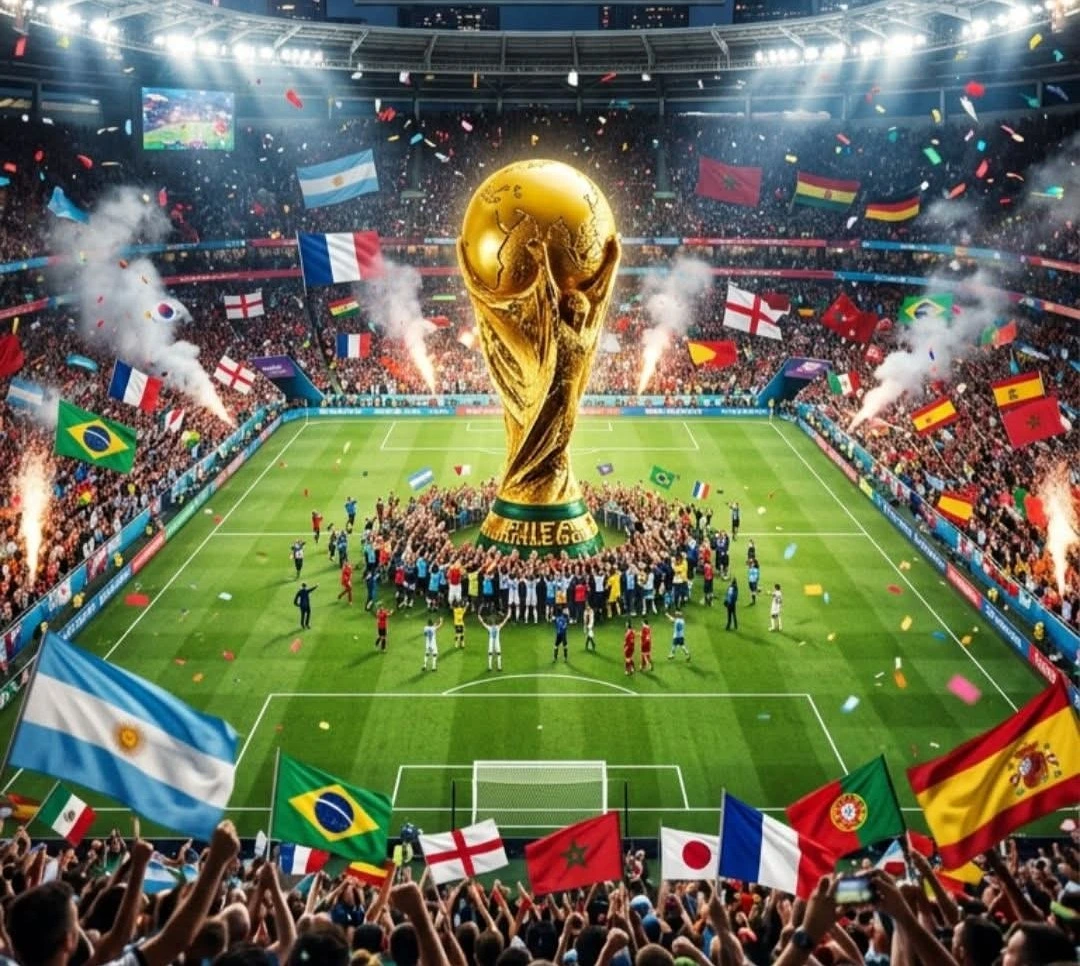
With attacking talent, tactical diversity, and contrasting football philosophies colliding, Group F has all the ingredients to become one of the breakout stories of the World Cup.
Netherlands Enter Group F as Favorites — But Pressure Is Massive
Netherlands arrive in the FIFA World Cup 2026 with enormous expectations. The Dutch remain one of football’s most respected nations, known for technical brilliance, tactical intelligence, and attacking football rooted in Total Football traditions.
The Netherlands possess one of the strongest overall squads in Group F. Their defensive organization, midfield creativity, and wing play make them extremely difficult to contain. The biggest question, however, is whether they can consistently finish chances in high-pressure moments.
Recent tournaments have shown flashes of brilliance mixed with frustrating inconsistency. Against organized teams like Sweden and energetic sides like Japan, the Dutch cannot afford slow starts.
Why Netherlands Could Win the Group
- Elite tactical structure
- Strong possession-based football
- Experience in major tournaments
- Defensive balance and depth
Biggest Concern
The Dutch have occasionally struggled against compact defensive systems and fast counterattacks — something both Japan and Tunisia could exploit.
Japan May Be the Most Dangerous Dark Horse in Group F
Japan are no longer viewed as a surprise team. They are now a legitimate threat capable of defeating elite nations on the world stage.
Japan’s modern football identity is built around:
- High pressing
- Lightning-fast transitions
- Technical midfield combinations
- Incredible stamina and discipline
In recent international tournaments, Japan proved they can compete with Europe’s best. Their players now feature in top leagues across England, Germany, Spain, and Italy, bringing valuable experience into FIFA World Cup 2026 Group F.
Group D FIFA World Cup 2026: Can Anyone Stop the USMNT on Home Soil?
What makes Japan especially dangerous is their fearlessness. They do not sit back against bigger teams anymore. Instead, they attack space aggressively and force mistakes through relentless movement.
Why Japan Could Top Group F
If the Netherlands fail to control midfield tempo, Japan’s speed could completely change the group standings.
Japan also matches up well against Sweden because of their mobility and quick passing combinations.
Key Strength
Their tactical discipline may be the best in the entire group.
Sweden Remain the Toughest Team to Break Down
Sweden may not receive the same global attention as the Netherlands or Japan, but dismissing them would be a major mistake.
Sweden traditionally thrive in tournament football because they:
- Stay compact defensively
- Win aerial battles
- Control physical duels
- Punish teams on set pieces
They rarely beat themselves with mistakes.
In a balanced group like FIFA World Cup 2026 Group F, that reliability becomes incredibly valuable. Sweden could easily grind out low-scoring results and frustrate more talented opponents.
Sweden’s Biggest Weapon
Tournament experience and defensive structure.
Main Question
Can Sweden score enough goals consistently against stronger attacking teams?
Their matches against Tunisia and Japan may ultimately determine whether they advance to the knockout stage.
Tunisia Could Become Group F’s Ultimate Spoiler
Tunisia enter the tournament as clear underdogs, but World Cup history repeatedly proves that underestimated teams can completely reshape groups.
Tunisia are physical, organized, and emotionally intense. They defend with aggression and thrive in chaotic matches.
Against possession-heavy teams like the Netherlands, Tunisia will likely defend deep and counter quickly through the wings. If they score first in any match, they could create serious pressure.
Why Tunisia Are Dangerous
- Strong defensive mentality
- Fearless against bigger nations
- Physical midfield battles
- Emotional momentum
Tunisia may not dominate possession, but they absolutely have the ability to steal points — and in a group this balanced, even one upset could change everything.
Tactical Matchups That Could Define FIFA World Cup 2026 Group F
Netherlands vs Japan
This could become one of the most entertaining matches of the group stage.
The Dutch will attempt to dominate possession, while Japan will attack rapidly in transition. If Japan presses effectively, they could force turnovers and create chaos.
Sweden vs Netherlands
Expect a physical and tactical chess match. Sweden will likely defend deep and attack through crosses and set pieces.
Japan vs Sweden
This may decide second place. Japan’s speed versus Sweden’s physicality creates a fascinating stylistic contrast.
Tunisia vs Everyone
Tunisia will play with nothing to lose — making them extremely dangerous late in matches.
Predicted Final Group F Standings
- Netherlands
- Japan
- Sweden
- Tunisia
However, this group feels far less predictable than the standings suggest.
A single upset result could completely change qualification scenarios. Japan have the talent to finish first, Sweden can frustrate anyone, and Tunisia are capable of producing one of the tournament’s biggest surprises.
Why Group F Could Go Viral During FIFA World Cup 2026
FIFA World Cup 2026 Group F has all the ingredients fans love:
🔸Fast attacking football
🔸Tactical battles
🔸Potential upsets
🔸European vs Asian football narratives
🔸Emotional final-day drama
If Japan defeat the Netherlands or Tunisia steal points from a favorite, this group could dominate global football conversations overnight.
And if the Dutch stumble early, Group F may quickly become the most chaotic group of the entire World Cup.
About the Author