 Champions League 2026-27: Can PSG Complete an Unprecedented Three-Peat?
Paris Saint-Germain chase a feat only Real Madrid, Bayern Munich, and Ajax have ever managed, but a stacked field of contenders stands in their way.
Paris Saint-Germain enter the 2026-27 Champions League chasing a feat that only three clubs in the competition’s entire history have ever achieved: three consecutive titles. Having beaten Inter Milan 5-0 in the 2025 final and then edged Arsenal on penalties in Budapest the following year, Luis Enrique’s side head into the new campaign as defending champions once again, but a genuinely stacked field of contenders stands ready to deny them.
The 10 Greatest Serie A Players of All Time
The Top 10 Most Expensive Football Transfers in History
PSG: Chasing History
PSG’s case for a third consecutive title rests on a squad that has now proven its knockout-stage pedigree across back-to-back campaigns, built around Luis Enrique’s collective, rotation-heavy tactical approach that has kept the squad fresh across an exhausting multi-competition schedule. Only Real Madrid, Bayern Munich, and Ajax have ever won three straight European Cups or Champions League titles, and PSG’s continued institutional stability, retaining both their manager and the core of their title-winning squad, gives them as strong a foundation as any club in the competition’s recent history to make a genuine run at that historic achievement.
Arsenal: Seeking Redemption
Few clubs enter the new campaign with quite the same specific motivation as Arsenal, who will carry the sting of last season’s penalty shootout final defeat to PSG in Budapest directly into their new campaign. Fresh off ending their 22-year Premier League title drought, Arsenal arrive at the new Champions League season with genuine momentum and a squad that has already proven capable of going toe-to-toe with the competition’s reigning champions across a full 120 minutes. Whether Mikel Arteta’s side can convert that near-miss into genuine glory this time around will be one of the tournament’s most compelling storylines from the opening matchday onward.
Real Madrid: The Mourinho Factor
Real Madrid’s Champions League campaign arrives under the considerable intrigue of José Mourinho’s stunning return to the club, following back-to-back trophyless domestic seasons that ultimately cost both Xabi Alonso and Álvaro Arbeloa their jobs. Mourinho’s own European pedigree, including a Champions League triumph with Inter Milan and considerable knockout-stage experience across his managerial career, makes Real Madrid a genuine dark-horse candidate regardless of the club’s recent domestic struggles, particularly given the significant summer investment in players like Marc Cucurella, Ibrahima Konaté, and Denzel Dumfries. Whether Mourinho can rapidly instill the kind of defensive solidity and knockout-stage know-how that has defined his most successful European campaigns will likely determine just how seriously Real Madrid’s continental ambitions should be taken this season.
Barcelona: Building on Domestic Success
Barcelona enter the new Champions League campaign off the back of back-to-back La Liga titles under Hansi Flick, a run of sustained domestic success that gives the club genuine confidence heading into Europe’s premier competition. With Anthony Gordon and Karim Adeyemi added to an already potent attack led by Lamine Yamal, and reported strong interest in Manchester City’s Rodri potentially adding further midfield steel, Barcelona’s squad depth looks considerably improved compared to recent Champions League campaigns that have occasionally exposed the club’s rotation limitations during the competition’s most physically demanding knockout stretches.
Manchester City: A New Era Under Maresca
Manchester City’s Champions League campaign arrives under new manager Enzo Maresca following Pep Guardiola’s departure, a genuine transition period for a club that spent over a decade building its European ambitions around Guardiola’s specific tactical philosophy. City’s British-record summer signing of Elliot Anderson for £116 million reflects continued ambition despite the managerial change, though how quickly Maresca can establish his own tactical identity while competing at the highest level of European competition remains one of the tournament’s more genuinely uncertain storylines heading into the new season.
Bayern Munich: Quiet Confidence
Bayern Munich enter the competition off the back of a record-breaking Bundesliga campaign, having broken their own single-season goalscoring record en route to a 34th domestic title. That sustained attacking firepower, built around Harry Kane’s continued clinical finishing, gives Bayern a genuine case as one of the tournament’s most dangerous attacking sides, even as the club’s recent Champions League history has occasionally seen their considerable domestic dominance fail to translate into the deepest European knockout runs.
The New Faces: Como and the League Phase Newcomers
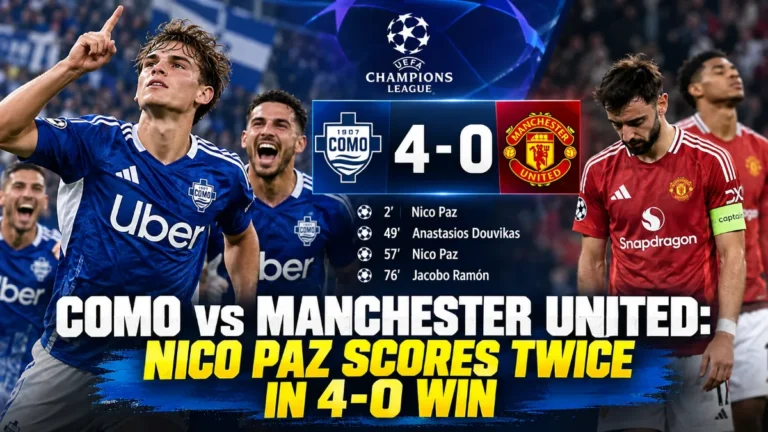
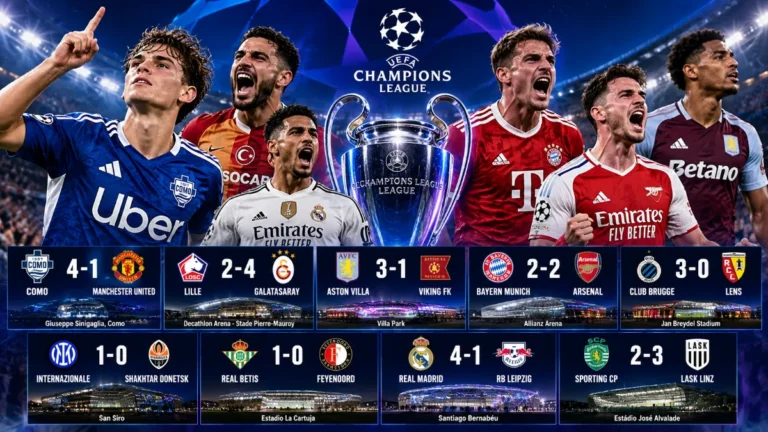
Serie A’s Como make their first-ever Champions League appearance this season, one of several clubs experiencing the competition for the first time under its current expanded format. While genuine title contention seems unlikely for a club with Como’s comparatively modest recent European pedigree, their participation reflects the continued broadening of the competition’s overall footprint, giving fans a fresh set of fixtures and storylines beyond the usual roster of established continental powers.
How the Format Shapes the Predictions
With 36 teams competing across an eight-match league phase before the top eight automatically advance to the round of 16, and teams finishing ninth through twenty-fourth facing a two-legged playoff for the remaining knockout spots, this season’s format rewards genuine consistency across a broader spread of fixtures than the tournament’s earlier, more heavily group-based structure. That format shift, now in its third season, has generally rewarded clubs with genuine squad depth capable of maintaining form across eight distinct league-phase opponents drawn from four separate seeding pots, a dynamic that favors PSG, Real Madrid, and Manchester City’s considerable financial resources over clubs with thinner overall rosters, even as it has also produced genuine surprises and DEBUT stories like Como’s historic first appearance.
Early Predictions
Given PSG’s proven recent knockout-stage pedigree and squad continuity, they enter the season as the most obvious favorites to at least reach the latter stages once again, even if history suggests winning three consecutive titles remains an extraordinarily difficult feat that only the sport’s most dominant dynasties have ever managed. Arsenal’s specific motivation following last season’s final defeat, combined with their continued domestic momentum, makes them arguably the most compelling genuine challenger, while Real Madrid’s Mourinho gamble adds a fascinating wildcard element that could either produce an immediate European renaissance or a considerably longer rebuilding process than the club’s ownership might prefer.
The Bottom Line
Whatever combination of these contenders ultimately reaches Madrid’s Estadio Metropolitano for the 5 June 2027 final, this season’s Champions League field looks considerably more genuinely competitive than a straightforward PSG procession, with Arsenal’s redemption arc, Real Madrid’s Mourinho reunion, and Barcelona’s continued Flick-era development all offering credible paths to the trophy. Whether any of them can actually stop PSG’s bid for a genuinely historic three-peat remains the tournament’s central question, one that won’t be definitively answered until the competition’s business end arrives many months and matchdays from now.
Dark Horses Worth Watching
Beyond the tournament’s most obvious title contenders, several clubs enter the season with genuine claims to dark-horse status. Inter Milan, still smarting from their crushing 5-0 defeat to PSG in the 2025 final, enter the new campaign under Cristian Chivu following a Scudetto-winning debut season as a senior manager, a squad with proven recent Champions League final experience that could yet mount another surprising run under their promising young coach. Bayer Leverkusen, despite their disappointing domestic fall from champions to sixth place the previous Bundesliga season, retain enough individual quality to potentially spring an upset against a more fancied opponent during the tournament’s unpredictable knockout rounds, particularly given the squad’s continued core familiarity with high-pressing, tactically disciplined football. And RC Lens, competing in the Champions League for the first time following their remarkable Ligue 1 title challenge the previous season, enter continental competition as a genuine unknown quantity, one capable of springing at least one memorable upset even if sustained deep tournament progress seems unlikely given their more limited squad depth compared to Europe’s traditional powers.
What History Suggests About Three-Peats
Looking at the only three previous clubs to have won three consecutive European Cup or Champions League titles offers a useful lens for assessing PSG’s own historic bid. Real Madrid’s mid-1950s dynasty and their more recent 2016-2018 run, along with Bayern Munich’s early 1970s treble of titles and Ajax’s early 1970s three-peat, all shared a common thread: a settled core of players competing together across multiple consecutive campaigns without the kind of major squad overhaul that often follows a single title-winning season. PSG’s own continuity heading into 2026-27, retaining both Luis Enrique and the core of their back-to-back title-winning squad, gives them a structural foundation genuinely comparable to those historic three-peat campaigns, even as the sheer increased competitive depth of the modern 36-team league-phase format arguably makes sustaining that level of dominance considerably more difficult than it was for clubs competing in the tournament’s earlier, less expansive formats.
Final Thoughts Heading Into the Season
With qualifying rounds already underway and the league-phase draw scheduled for late August, the 2026-27 Champions League campaign promises to be one of the most genuinely unpredictable in recent tournament history, a rare season where the reigning champions’ bid for a genuinely historic achievement is matched by an unusually deep and credible field of contenders across England, Spain, Germany, and Italy alike. Whether PSG’s bid for immortality succeeds or one of their many challengers writes their own new chapter in the competition’s history, this season’s Champions League looks set to deliver a genuinely compelling title race from the opening matchday through to next June’s final in Madrid.
🔹🔹 Follow us on Facebook 🔹🔹
How PSG Won Ligue 1 2025-26, and Who Actually Challenged Them
PSG v Arsenal: How Paris Won the Champions League Final on Penalties
About the Author