 Saudi Pro League All-Time Legends: Before and After the Global Stars Arrived
Long before Ronaldo and Neymar arrived, homegrown legends built the foundation of Saudi football’s proud domestic history.
The Saudi Pro League’s global profile changed overnight when Cristiano Ronaldo arrived in December 2022, but Saudi football’s own history stretches back decades before that transformative moment, built on homegrown legends whose contributions to the domestic game and Saudi Arabia’s own international footballing identity deserve just as much recognition as the imported superstars who followed. Here’s a look at the players who defined Saudi football both before and after the world took notice.
Saudi Pro League History: From Regional Competition to Global Superstar Destination
Football After Messi and Ronaldo: 7 Ways the Game Will Change After an Unforgettable Era
The Homegrown Legends
Majed Abdullah
Widely regarded as the greatest player in Saudi football history, Majed Abdullah’s prolific goalscoring for Al-Nassr throughout the 1980s and into the 1990s established him as a genuine national icon, earning him the nickname “Al-Amir,” the Prince. His sustained excellence for both club and country, including a substantial international goal tally for the Saudi national team, made him the standard against which every subsequent Saudi footballer has been measured, and his legacy remains deeply embedded in Al-Nassr’s own institutional identity even decades after his playing career concluded.
Sami Al-Jaber
Al-Jaber’s sustained excellence for Al-Hilal across multiple decades, combined with his role representing Saudi Arabia at four separate World Cups, cemented his status as one of the most significant figures in the country’s footballing history. His goal against Belgium at the 1994 World Cup remains one of the most celebrated moments in Saudi football’s international history, and his continued domestic dominance for Al-Hilal throughout the 1990s and 2000s established him as one of the league’s most decorated and respected figures during an era well before the Saudi Pro League attracted any significant global attention.
Mohammed Al-Deayea
Widely regarded as one of the finest goalkeepers Asian football has ever produced, Al-Deayea’s lengthy international career, including appearances at four World Cups for Saudi Arabia, made him a genuine continental icon. His shot-stopping brilliance and leadership between the posts for Al-Hilal throughout his club career established a lasting standard for Saudi goalkeeping excellence, one that domestic coaching programs have continued to reference in developing subsequent generations of local talent.
Saeed Al-Owairan
Few individual moments in Saudi football history carry the same lasting cultural significance as Al-Owairan’s stunning solo goal against Belgium at the 1994 World Cup, a mesmerizing individual run that remains one of the most replayed clips in the country’s footballing history. That single moment, delivered on the sport’s biggest international stage, made Al-Owairan a permanent symbol of Saudi football’s competitive potential, even as his subsequent career never quite reached the same heights domestically that his star turn in the United States suggested might be possible.
Yasser Al-Qahtani
Al-Qahtani’s sustained goalscoring excellence for Al-Hilal throughout the 2000s established him as one of the finest strikers of his generation in Asian football, earning him widespread recognition as the Saudi Pro League’s most complete forward during a period well before international superstars had any presence in the competition. His continued individual brilliance across a lengthy club career gave Saudi football one of its clearest homegrown talismans during the decades before the league’s dramatic 2023 transformation.
The Global Stars Who Transformed the League
Cristiano Ronaldo
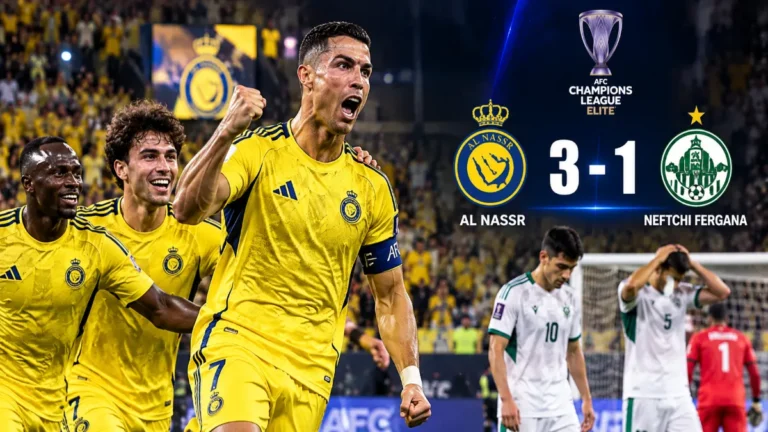
No single signing in Saudi football history carries anywhere near the same transformative weight as Ronaldo’s December 2022 arrival at Al-Nassr. His continued individual excellence, including multiple league top scorer finishes, fundamentally reshaped global perceptions of the Saudi Pro League’s legitimacy and ambition, directly paving the way for the wave of subsequent superstar arrivals that followed throughout 2023 and beyond. Whatever the ultimate resolution of his current contract situation, Ronaldo’s impact on elevating Saudi football’s global relevance remains historically unmatched by any other individual signing in the league’s history.
Cristiano Ronaldo Jr.: Club, Lifestyle, Career and Future Prospects
Neymar
Neymar’s move to Al-Hilal, while shortened by injury disruption, still stands as the most expensive transfer in Saudi Pro League history, a genuine statement of the league’s financial ambitions during its most aggressive period of international recruitment. His continued presence, even amid a career increasingly affected by fitness concerns, kept Al-Hilal firmly positioned among the league’s most star-studded rosters throughout the transformative post-2023 era.Neymar Lifestyle Comeback: The Fortune, the Fight, and the Final World Cup
Karim Benzema
The 2022 Ballon d’Or winner’s move to Al-Ittihad brought genuine continued elite quality to the Saudi Pro League, his individual brilliance helping establish the second tier of the league’s superstar pay scale beneath Ronaldo’s own record-setting contract. Benzema’s sustained excellence throughout his Saudi tenure offered clear validation that the league’s recruitment strategy could attract players still operating at a genuinely elite individual level, not simply those well past their competitive prime.
Riyad Mahrez
Mahrez’s move to Al-Ahli added further genuine quality to the league’s post-2023 talent pool, his continued technical brilliance and end product from wide areas making him one of the most consistently effective attacking players across the league’s transformed competitive landscape.
What Connects These Two Eras
Looking across both generations of Saudi football’s greatest players, homegrown legends like Abdullah, Al-Jaber, and Al-Owairan, and the imported global superstars who followed decades later, a clear throughline emerges: each generation, in its own way, played a foundational role in building Saudi football’s institutional credibility and international relevance. The homegrown legends established the domestic game’s competitive quality and gave the national team genuine international standing well before any global superstar had considered a move to the Gulf. The imported stars who followed built directly on that foundation, using Saudi football’s existing infrastructure and passionate club fan bases as the platform for a transformation that turned the league from a respected regional competition into a genuine global talking point almost overnight.
Why Both Eras Deserve Equal Recognition
It’s tempting, given the sheer scale of global attention Ronaldo’s arrival generated, to treat Saudi football’s history as beginning in December 2022 rather than understanding it as a continuation of decades of accumulated domestic achievement. That framing does a genuine disservice to the homegrown legends who built the league’s foundational credibility, often achieving remarkable individual feats, including Al-Owairan’s still-celebrated World Cup goal and Al-Jaber’s four-World-Cup international career, without anything close to the global media attention or individual compensation the league’s post-2023 imports have enjoyed. A complete accounting of Saudi Pro League history requires recognizing both eras as equally significant chapters in the same ongoing story, one built first through decades of homegrown domestic excellence, and more recently accelerated by a wave of imported global stars whose arrival, however historically significant, was made possible only by the institutional foundation Saudi football’s own legends had already spent decades building.
How Homegrown Talent Is Adapting to the New Era
One of the more interesting subplots of Saudi football’s post-2023 transformation involves how the current generation of domestic Saudi players has adapted to sharing dressing rooms and training pitches with some of the sport’s biggest global names. Rather than being crowded out entirely, several young Saudi players have credited the presence of Ronaldo, Benzema, and other established internationals with directly accelerating their own tactical and technical development, training and competing daily alongside players whose standards and professional habits were previously only visible from a considerable distance through television broadcasts. Saudi football federation officials have pointed to this dynamic as a key part of the broader strategic rationale behind the league’s recruitment strategy, arguing that the presence of established global stars serves a genuine developmental function for the domestic player pool, not simply a commercial or marketing purpose.
The National Team Connection
Ultimately, the ambition behind both eras of Saudi football’s greatest players connects to the same underlying goal: strengthening the national team’s competitive standing on the international stage. Al-Jaber and Al-Deayea’s generation helped establish Saudi Arabia as a genuine Asian football power capable of consistent World Cup qualification, while the current generation’s federation and league administrators hope the post-2023 superstar era, and the developmental benefits it’s intended to bring to homegrown talent, will eventually translate into a national team capable of matching that infrastructure investment with sustained competitive success on the biggest international stages, including Saudi Arabia’s own eventual hosting duties at the 2034 World Cup.
A Legacy Still Being Written
Whether the current generation of young Saudi players eventually produces homegrown legends capable of standing alongside Abdullah, Al-Jaber, and Al-Owairan in the country’s footballing history remains one of the more compelling open questions shaped directly by the league’s ongoing transformation. What’s already clear is that Saudi football’s complete history, spanning both its homegrown foundational era and its more recent superstar-driven global transformation, offers a genuinely rich and still-unfolding story, one where the league’s newest chapter continues to be written in real time even as the achievements of its earliest legends remain foundational to everything that followed, a reminder that no matter how much global attention the post-2023 era has generated, Saudi football’s history didn’t begin with a single famous transfer, and it certainly won’t end with one either.
🔹🔹 Follow us on Facebook 🔹🔹
The 10 Best Premier League Signings of the Last Decade
MLS Best Players 2026: The 15 Stars Defining the Post-World Cup Era
About the Author