2026 FIFA World Cup: Format, Groups, Full Match Schedule and Everything U.S. Soccer Fans Need to Know
The countdown to the biggest soccer event in history is officially on.
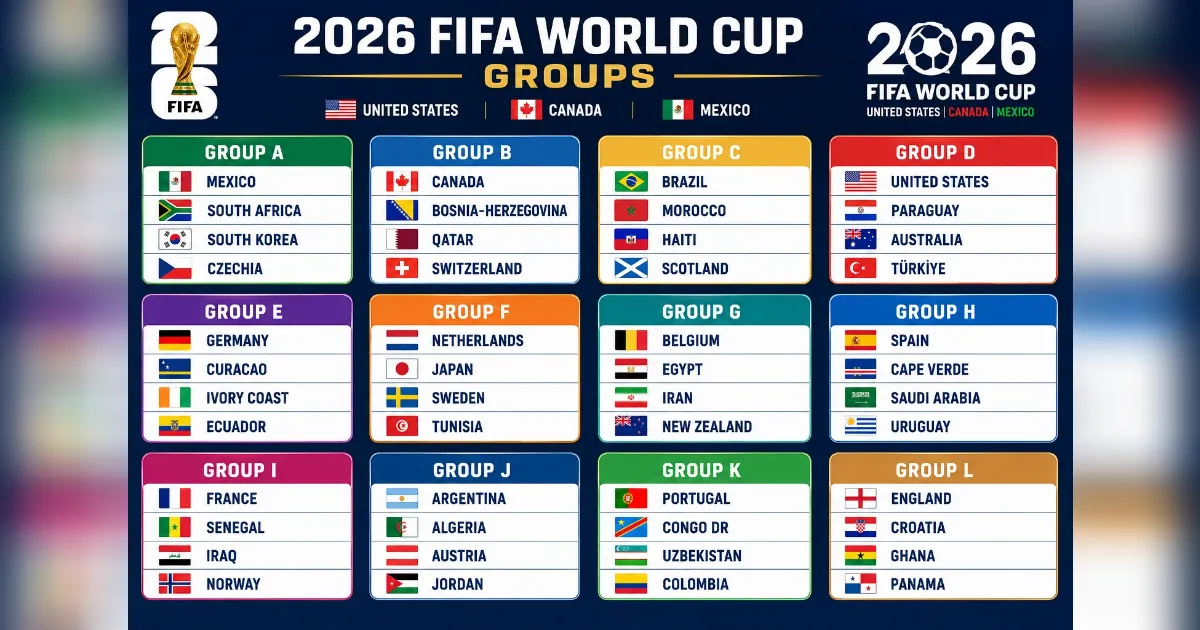
The 2026 FIFA World Cup will be unlike anything the sport has ever seen, with the tournament expanding to 48 teams for the first time and being hosted across three countries — the United States, Canada and Mexico. From packed NFL stadiums to iconic host cities, the tournament is expected to redefine soccer’s place in North America ahead of a massive summer for the sport.NBA Schedule 2026-27: Christmas Day Rivalries, Ring Night and the Games to Watch
Bangladesh Create History in Darwin, Defeat Australia by Nine Wickets in Landmark Test Victory
After the completion of UEFA and intercontinental qualifying playoffs in March, all World Cup groups and fixtures are now officially finalized. Fans can finally begin mapping out the road to the final as soccer’s biggest stars prepare for a month-long battle for the sport’s ultimate prize.
Expanded 48-Team Format Changes the Tournament Forever
The biggest storyline surrounding the 2026 FIFA World Cup is the expanded format.
For the first time ever, 48 national teams will compete instead of the traditional 32-team structure that had been used since the 1998 tournament in France. The new format creates 12 groups of four teams each, with every team playing three group-stage matches.
The top two teams from each group automatically advance to the knockout stage. In addition, the eight best third-place teams will also move on, creating a massive 32-team knockout bracket for the first time in World Cup history.
That means fans will get more matches, more drama and more opportunities for underdog nations to make deep tournament runs.
The Grandest Stages on Earth: Every FIFA World Cup 2026 Stadium Ranked and Revealed
The knockout rounds will feature single-elimination matches all the way through the final. If teams are tied after 90 minutes, matches will go to extra time and potentially penalty shootouts.
Tough Groups Already Creating Major Buzz
Several groups have already become instant talking points among fans and analysts.
Group I is widely being labeled one of the tournament’s toughest draws after pairing France with Senegal and Norway. That group could feature elite-level talent from start to finish and may become one of the must-watch storylines of the group stage.
Meanwhile, powerhouse nations including Brazil, Argentina, England, Spain and Germany will all enter the tournament with championship expectations.
For American fans, attention will naturally center on United States and whether the USMNT can capitalize on home-field advantage during what many believe could become a defining moment for soccer in America.
How World Cup Tiebreakers Will Work
If teams finish level on points during the group stage, FIFA will apply a series of tiebreakers to determine final standings. The first criteria focus on head-to-head results between tied teams, including points earned, goal difference and goals scored in those matches.
If teams remain tied, overall goal difference and total goals scored during the group stage come into play. FIFA can also use fair play rankings and official FIFA world rankings if necessary.
The ranking system for third-place teams follows similar criteria, beginning with points and goal difference before moving to goals scored and disciplinary records.
Full Match Schedule Set After Final Qualifiers
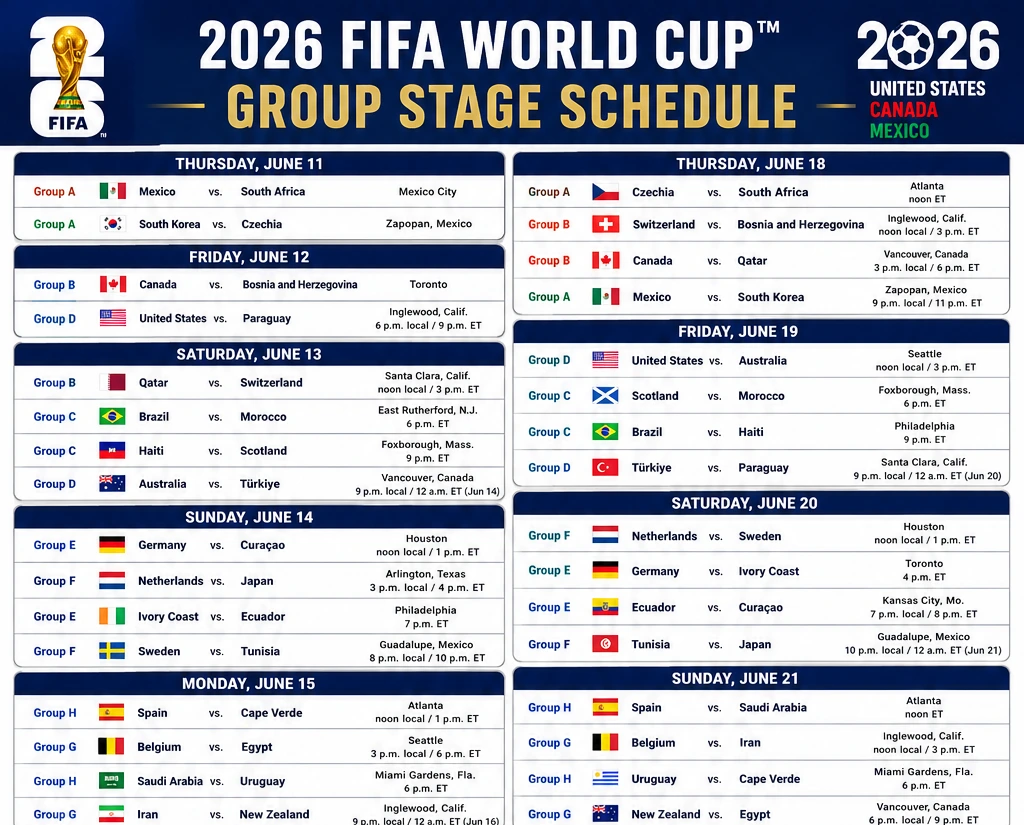
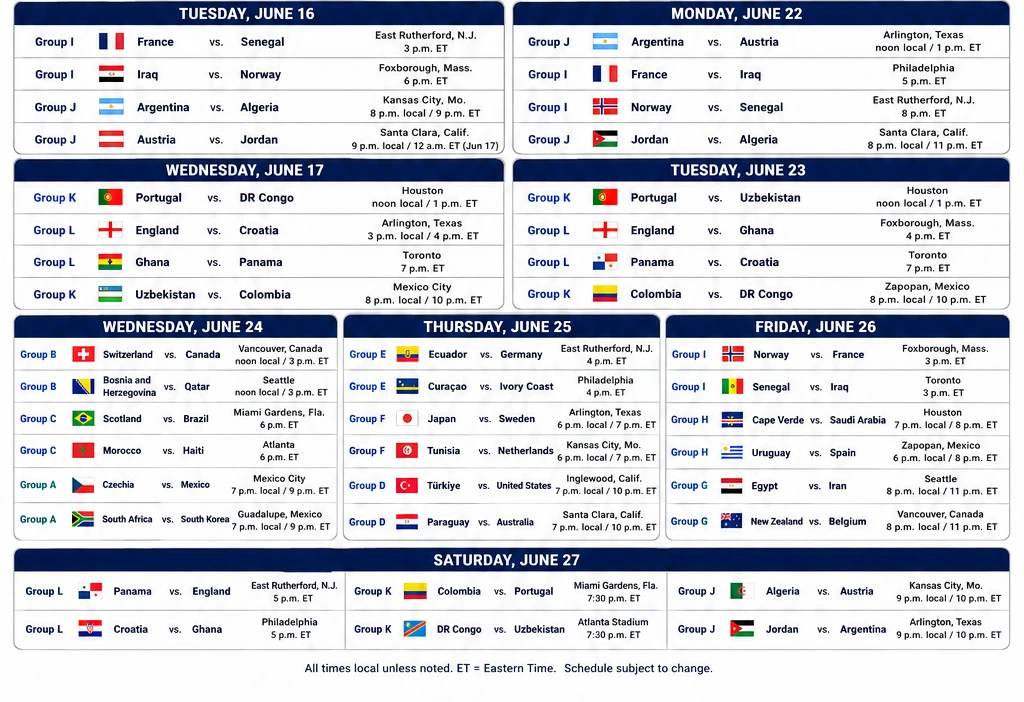
With qualification now complete, the full 2026 FIFA World Cup match schedule has officially been locked in. The tournament will feature matches across major North American cities including New York City, Los Angeles, Dallas, Miami, Toronto and Mexico City.
The final is expected to become one of the most-watched sporting events in global history, with billions expected to tune in worldwide.
For the United States specifically, the 2026 tournament represents more than just hosting duties. It could mark the moment soccer fully enters the American mainstream ahead of a new generation of fans inspired by global stars, packed stadiums and nonstop summer excitement.
As anticipation continues to build, the 2026 FIFA World Cup is already shaping up to be the biggest and most ambitious tournament the sport has ever produced.
Bangladesh Create History in Darwin, Defeat Australia by Nine Wickets in Landmark Test Victory
About the Author