 The Best Football Stadiums in the World, Ranked by Atmosphere
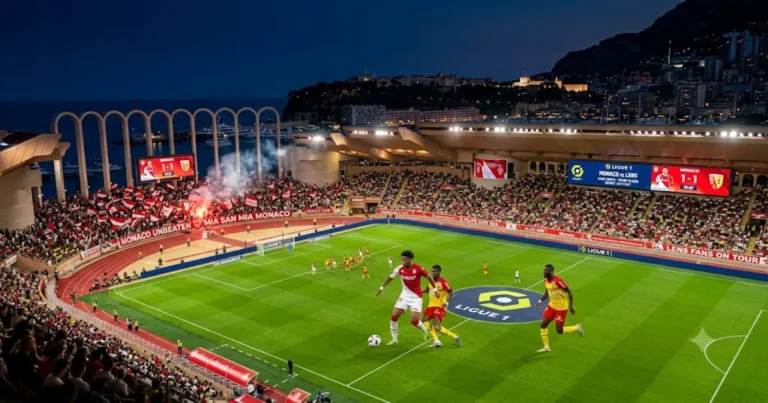
There’s a particular kind of silence that falls over a stadium in the seconds before kickoff, a held breath shared by sixty or eighty or a hundred thousand people, right before it explodes into noise. Some stadiums manufacture this feeling better than any architect could design on paper. This is a ranking of the best football stadiums in the world, judged not by seat count or roof design, but by something far harder to measure: the atmosphere that fans themselves create.
The Ultimate FIFA World Cup 2026 Stadium Bucket List — 16 Stadiums, 16 Reasons to Go
LaLiga 2026/27 Schedule: Fixtures, Dates & Times
Premier League 2026/27 Schedule: This Week and Next Week
Capacity matters, sightlines matter, but neither guarantees a great atmosphere. Some of the loudest, most intimidating grounds in world football hold barely a third of the capacity of the biggest bowls on earth. What they have instead is proximity to the pitch, a passionate local fanbase, and decades of tradition that turn ninety minutes of football into something closer to ritual.Every Confirmed Character in Avengers: Doomsday
The South American Cauldrons
No continent produces atmosphere quite like South America, where stadiums often double as extensions of local identity, politics, and community pride. Steep, tightly packed terraces sit almost on top of the pitch, and flares, drums, and constant chanting turn matchday into a sensory overload from the first whistle. In these grounds, the away end isn’t just outnumbered, it’s often physically shaken by the noise generated a few feet away.The 10 Highest-Paid Footballers in the World
What separates these stadiums from purely loud environments elsewhere is the sense of stakes. Local rivalries here often carry decades of history, and the songs sung on the terraces reflect neighborhood identities that predate the clubs themselves in some cases. It’s not uncommon for opposing fans to be entirely segregated by concrete walls and heavy security, a testament to just how seriously these rivalries are taken.
The European Cathedrals
Europe’s best atmospheres tend to come from a different formula: history layered on top of history. Grounds that have hosted the same fanbase for over a century develop rituals that outsiders can never quite replicate, from specific chants tied to specific goals to pre-match traditions passed down through generations of the same families. The best of these stadiums combine intimidating acoustics, usually thanks to steep single-tier stands, with a sense of occasion that turns even a routine league match into event football.
Standing sections, where they still exist, add another dimension entirely. Unlike an all-seated bowl, a packed standing terrace moves as one organism, generating a wall of sound that seated stadiums simply can’t replicate. Several of Europe’s most famous atmospheres are built specifically around a single enormous terrace dedicated to the most passionate section of the fanbase.
The African and Middle Eastern Risers
Some of the most electric atmospheres in world football today are found in stadiums that didn’t exist, or weren’t relevant on the world stage, a generation ago. Massive investment in stadium infrastructure across parts of Africa and the Middle East has produced modern venues with world-class acoustics, and passionate local fanbases have quickly filled them with genuine noise rather than manufactured spectacle. What these grounds sometimes lack in decades of tradition, they make up for with raw enthusiasm and a fanbase determined to prove their football culture belongs on the biggest stage.
The North American Wildcards
Football culture in North America has grown rapidly, and a handful of MLS stadiums now produce atmospheres that rival established football nations, largely thanks to supporter groups who’ve deliberately built their own traditions from scratch. Tifo displays, constant drumming, and a section of committed supporters standing for the full ninety minutes have turned certain MLS grounds into genuinely intimidating places to play, a remarkable achievement for a football culture still younger than many of its global peers.
What Actually Makes an Atmosphere Great
Ranking stadiums purely by atmosphere requires looking past the obvious metrics. A stadium’s official capacity tells you almost nothing about how loud it will be on a given night. Steepness of the stands matters more than height, since a stand that leans closer to vertical traps and amplifies sound far better than a shallow, sprawling bowl. Proximity to the pitch matters too. Fans sitting or standing right on top of the touchline create a fundamentally different experience than those separated by a running track or wide moat, which is why several historically loud stadiums have deliberately avoided adding athletics tracks during renovations.
Occasion matters as well. Even the quietest stadium can become deafening for a cup final or a fierce local derby, while even the most famous atmosphere can fall flat for a meaningless midweek fixture against distant opposition. That’s part of why this ranking focuses on a stadium’s baseline character, the atmosphere it produces on an ordinary matchday, rather than its ceiling during a one-off event.
Why Atmosphere Still Matters in Modern Football
As stadiums around the world modernize, adding padded seats, corporate boxes, and family-friendly amenities, there’s an ongoing tension between comfort and atmosphere. The loudest, most legendary grounds in football history are rarely the most comfortable ones. They’re often older, occasionally cramped, and sometimes lacking modern conveniences entirely. Yet fans keep returning to these grounds precisely because of what they offer that a brand-new, all-seated bowl often can’t: a genuine, unfiltered connection between the crowd and the game happening a few feet away.
That tension isn’t going away anytime soon, and as clubs continue to weigh renovation against tradition, the stadiums that manage to hold onto their raw atmosphere while modernizing responsibly will remain the benchmark every other ground is measured against.
The Role of Supporter Groups in Building Atmosphere
Behind almost every entry on any list of the best football stadiums sits an organized supporter group, or several, whose job is essentially to conduct the crowd like an orchestra. These groups coordinate chants, organize flag and banner displays, and often occupy a specific section of the stadium reserved unofficially, or sometimes officially, for the most vocal fans. Without this organizational backbone, even the most passionate fanbase can produce disjointed, inconsistent noise rather than the kind of unified roar that defines a truly great atmosphere.
In some stadiums, these groups have effectively become an institution in their own right, with their own leadership, their own matchday rituals, and sometimes even tension with club ownership over ticketing policy, safe standing, or corporate sponsorship encroaching on their traditional section. Clubs that understand the value of these groups tend to protect their space fiercely, recognizing that atmosphere is a genuine competitive advantage, one that can unsettle visiting teams before a ball is even kicked.
How Broadcasting Has Changed the Way We Judge Atmosphere
It’s worth acknowledging how television and streaming have reshaped perceptions of stadium atmosphere. A ground that sounds merely loud in person can sound thunderous through a broadcast microphone placed pitch-side, while a genuinely intimidating stadium can occasionally sound flat if a broadcaster’s audio setup doesn’t capture it well. This has created a slightly distorted global perception of which stadiums are truly the loudest, since fans worldwide are often judging atmosphere through a screen rather than firsthand experience.
That’s part of why supporters who have attended matches at multiple contenders for “best atmosphere” so often disagree with rankings built purely from television coverage. The physical sensation of standing in a stand that visibly sways, or feeling bass frequencies from thousands of voices through the concrete beneath your feet, simply doesn’t translate the same way through a television speaker, no matter how good the broadcast audio engineering happens to be.
What This Means for the Future of Stadium Design
As new stadiums continue to be built around the world, particularly ahead of major tournaments, there’s growing recognition among architects and club executives that atmosphere can and should be designed for, not treated as an accidental byproduct of an older, cheaper construction era. Steeper stand angles, reduced distance between the front row and the touchline, and roof designs that trap and amplify sound rather than let it escape are all now common considerations in new stadium blueprints, a direct response to lessons learned from the older grounds that still top these atmosphere rankings decades after they were built.
Whether these deliberately engineered atmospheres can ever fully replicate the organic, decades-in-the-making intensity of football’s most legendary old grounds remains an open question. But it’s a sign that clubs increasingly understand what fans have always known instinctively: the best football stadiums aren’t just venues, they’re active participants in the match itself.
About the Author