 How Many Countries Play Football? FIFA’s 211 Members Explained
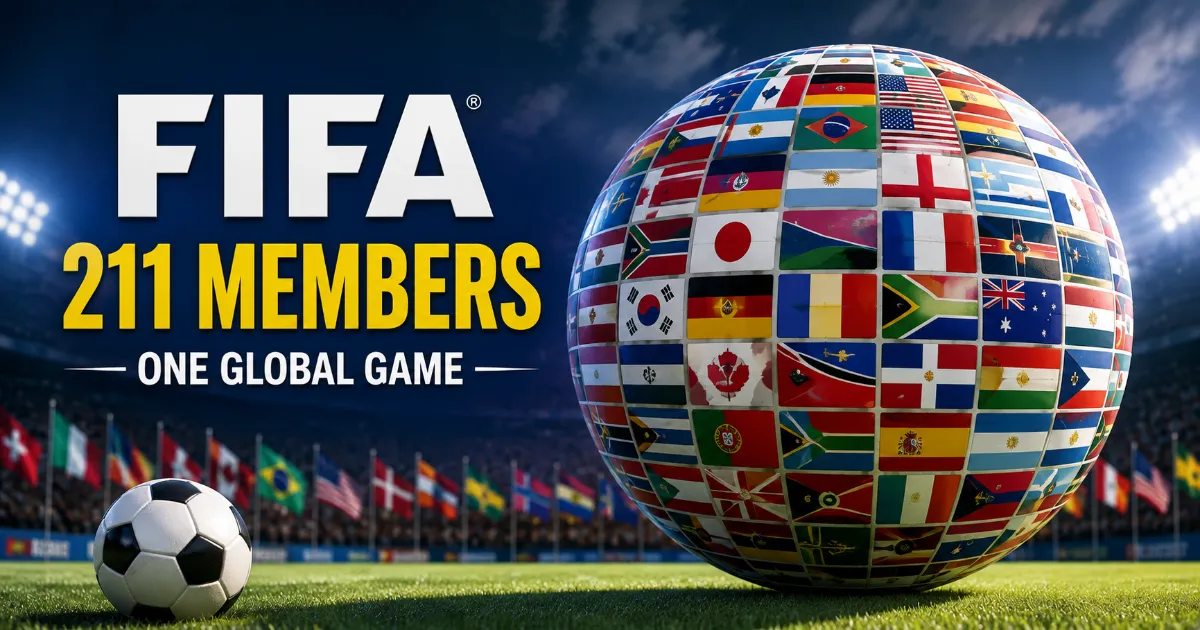
Here’s a fact that trips up even lifelong fans: more countries play football, at least officially, than are members of the United Nations. FIFA recognizes 211 national associations and their men’s national teams, along with 204 separate women’s national teams. That’s not a typo, and it’s not because football is more popular than diplomacy, though it might be. It’s because FIFA’s definition of a “country” is built entirely differently from the UN’s, and understanding that gap tells you a lot about how the sport is actually organized worldwide.
Champions League 2026/27 Schedule: Fixtures, Dates & Times
Premier League 2026/27 Schedule: This Week and Next Week
Football League Structure Explained: Promotion, Relegation & Cups Made Simple
Every Confirmed Character in Avengers: Doomsday
So Why Doesn’t FIFA Match the UN’s Number?
FIFA’s membership total is higher than the UN’s because it has admitted associations from 23 non-sovereign entities as members in their own right. Some of the most famous examples aren’t independent countries at all. England, Scotland, Wales, and Northern Ireland each field their own national team and hold separate FIFA membership, despite all being part of the United Kingdom. In fact, the United Kingdom itself isn’t a FIFA member at all, only its four constituent countries are. Hong Kong and Macau, both special administrative regions of China rather than sovereign states, also compete under their own flags and FIFA membership.
This arrangement dates back to football’s earliest organizational history. The Home Nations of the UK were founding members of international football well before FIFA’s modern structure existed, and rather than merge them into a single “United Kingdom” team, football preserved their separate identities. Once that precedent was set, FIFA later extended membership eligibility to other non-sovereign territories with a strong enough football infrastructure and history, even as it eventually tightened the rules so that only fully sovereign states can apply for new membership today.
Which Territories and Regions Get Their Own Team?
Alongside the UK’s four nations, FIFA counts 26 members and territories that aren’t United Nations member states, including places like Bermuda, the Cayman Islands, Puerto Rico, Gibraltar, the Faroe Islands, Chinese Taipei, Kosovo, and Palestine. Many of these are British Overseas Territories or similarly administered dependencies with a long-standing local football culture and their own domestic leagues, which made a separate national team a natural fit long before anyone imagined the modern World Cup as a 48-team global spectacle.
Are There Countries That Aren’t FIFA Members?
Yes, and this is the flip side of the equation that catches people out just as often. There are eight United Nations member states that are not FIFA members at all, including the Federated States of Micronesia, Kiribati, the Marshall Islands, Monaco, Nauru, Palau, and Tuvalu, alongside the United Kingdom itself for the reasons explained above. Most of these are small Pacific island nations without the infrastructure, historically, to meet FIFA’s membership requirements, though some, like the Marshall Islands, have been actively working toward eventual membership through their regional confederation in recent years.
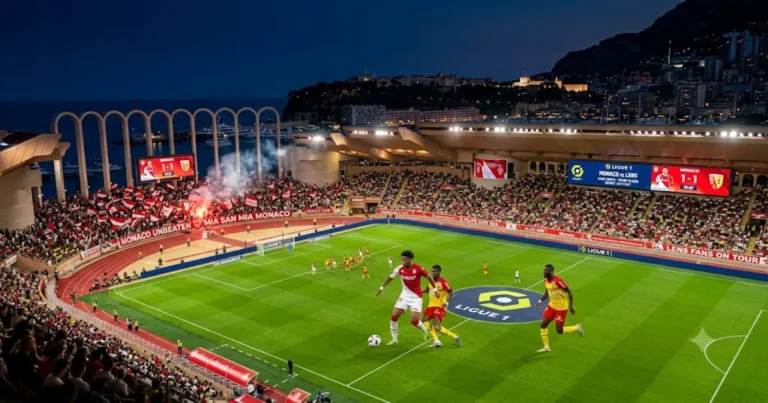
Monaco is the standout exception on that list. Despite being a fully recognized sovereign state, its football association has never gained separate FIFA membership, largely because of its close footballing and administrative ties to France; AS Monaco, its most famous club, competes in the French league system rather than a domestic Monégasque one.
How Are FIFA’s 211 Members Organized?
Every FIFA member belongs to one of six continental confederations, which handle regional qualification, continental championships, and club competitions before the FIFA umbrella takes over for global tournaments like the World Cup. UEFA covers Europe, CONMEBOL covers South America, CONCACAF covers North and Central America and the Caribbean, CAF covers Africa, the AFC covers Asia, and the OFC covers Oceania. This structure is why a country’s road to the World Cup looks completely different depending on where it’s located, since each confederation runs its own qualification format, with different numbers of automatic World Cup slots allocated based roughly on regional strength and history.
Why This Number Keeps Growing
FIFA’s membership has grown steadily since its founding in 1904, largely tracking global decolonization through the 20th century, as newly independent nations formed their own football associations and sought recognition. More recently, growth has slowed considerably, since FIFA tightened its rules to require full national sovereignty for any brand-new member, closing off the path that allowed non-sovereign territories to join in earlier decades. That’s part of why places like the Marshall Islands and Micronesia, both actively developing football programs today, face a steeper and slower path toward membership than territories that joined generations ago under looser rules.
What This Means for the World Cup
Understanding FIFA’s full membership picture also explains why World Cup qualification can look so lopsided at first glance. A federation with over fifty member associations, like UEFA, has to whittle down a huge pool of national teams for a relatively limited number of World Cup slots, while smaller confederations with fewer members face a much less crowded qualification path. It’s part of why comparing World Cup qualification difficulty across confederations is such a persistent and genuinely complicated debate among fans, since the size, strength, and depth of each of FIFA’s 211 members varies enormously from one confederation to the next.
At its core, the answer to “how many countries play football” isn’t a single clean number, it’s a layered system built on football’s own unique history, one where a small Caribbean island and a Home Nation of the United Kingdom can hold exactly the same FIFA membership rights as a sovereign nation of over a billion people.
The Difference Between Men’s and Women’s Membership Numbers
While FIFA recognizes 211 men’s national teams, it counts 204 separate women’s national teams, a gap of seven that reflects a much longer and more uneven history of institutional investment in the women’s game. Some FIFA member associations, particularly smaller or lower-resourced federations, still haven’t developed a fully active women’s national program, even though their men’s program has competed internationally for decades. That gap has been narrowing steadily as FIFA has increased funding requirements and development targets tied to its Forward Programme, but it remains a useful reminder that “how many countries play football” can have a genuinely different answer depending on which side of the game you’re counting.
How FIFA Membership Actually Gets Granted
Joining FIFA isn’t simply a matter of forming a national football association and applying. A prospective member must first be recognized by, and compete within, one of FIFA’s six continental confederations, demonstrating a functioning domestic football structure, a national team playing regular fixtures, and administrative infrastructure that meets FIFA’s governance standards. This vetting process is part of why territories with active, well-organized football scenes, even without full national sovereignty, historically had a real path to membership, while newer aspirants today face a far stricter bar, since sovereignty itself is now a hard requirement for any brand-new applicant.
This is also why the handful of active non-FIFA footballing nations and territories, tracked by organizations like CONIFA, tend to be either disputed territories without international recognition, extremely small island nations still building basic footballing infrastructure, or cultural and diaspora communities that don’t correspond to any state at all. For many of these teams, FIFA membership isn’t just administratively difficult, it may be permanently out of reach under the sport’s current sovereignty rule, regardless of how well-organized their domestic game becomes.
Why Fans Should Care About the Exact Number
It might seem like trivia, but FIFA’s membership structure has real consequences for how the sport is funded and governed worldwide. Each of FIFA’s 211 members receives development funding through the FIFA Forward Programme, distributed regardless of footballing strength, which means a tiny Pacific territory and a footballing powerhouse both receive baseline financial support for grassroots programs, coaching education, and infrastructure. Understanding just how broad and unusual FIFA’s membership map really is helps explain why the governing body’s decisions, from World Cup slot allocations to funding formulas, are so consistently complicated by politics that have nothing to do with football on the pitch.
🔹🔹 Follow Us on Facebook 🔹🔹
About the Author