Bad refereeing and VAR controversy from Argentina vs Egypt match flooded internet
FIFA faces mounting pressure after a series of controversial refereeing decisions and VAR interventions leave players, coaches and fans demanding greater transparency.
The FIFA World Cup 2026 has delivered unforgettable football, dramatic comebacks and emerging young stars. Yet alongside the action on the pitch, another storyline has refused to disappear—bad refereeing and VAR controversy. From disputed penalties and disallowed goals to inconsistent disciplinary decisions, officiating has become one of the tournament’s most discussed subjects.
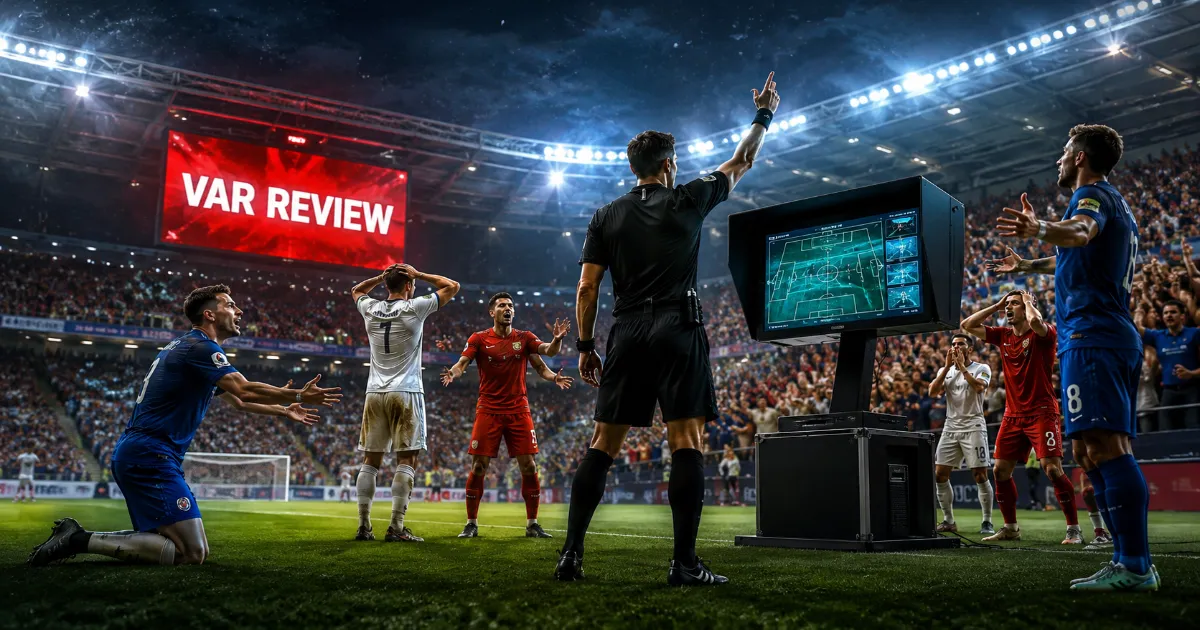
Several knockout matches have sparked fierce debate, with players, coaches and supporters questioning whether the Video Assistant Referee (VAR) is being applied consistently. Rather than ending arguments, many believe technology has shifted the controversy from the referee on the field to the officials in the VAR room.VAR Decisions That Changed the Tournament: The Full Story
Egypt’s Complaint Intensifies the Debate
The biggest flashpoint came after Egypt’s dramatic Round of 16 defeat, where the Egyptian Football Association lodged a formal complaint with FIFA. The federation argued that key refereeing decisions and the use of VAR directly influenced the outcome, calling for an investigation into the officiating team.
The controversy centered on a disallowed Egyptian goal following a VAR review and penalty appeals that were not awarded, decisions that divided football experts and fans across the world.
FIFA Defends Its Officials
Despite growing criticism, FIFA has publicly defended the integrity of its referees. Refereeing chief Pierluigi Collina insisted that officials make decisions independently and rejected suggestions of external influence, explaining that every goal is automatically reviewed under the VAR protocol and that fouls in the attacking build-up can lead to goals being overturned.The Worst Referee Decision of World Cup 2026 — Fan Reactions & VAR Analysis
FIFA Responds With VAR Changes
Amid mounting criticism, FIFA has introduced an operational adjustment for the quarterfinals. In addition to the central VAR hub, on-site backup VAR officials have been added at stadiums to reduce the risk of technical disruptions and improve the review process during crucial matches.
While FIFA says the move is designed to strengthen reliability, critics argue that greater transparency—such as releasing referee audio or explaining decisions publicly—would do more to restore trust.
A Tournament Dominated by Officiating Debate
This World Cup has seen numerous refereeing incidents become headline news. Coaches have questioned disciplinary decisions, former players have criticized inconsistent interpretations of similar incidents, and social media has amplified every controversial call within minutes.VAR in Football Explained: How It Works, Why It Divides Fans and What’s New at World Cup 2026
The result is a tournament where discussions about referees often continue long after the final whistle, sometimes overshadowing the football itself.
Can VAR Still Win Back Trust?
When VAR was introduced, its goal was simple: eliminate clear and obvious errors. Instead, World Cup 2026 has shown that technology cannot eliminate disagreement when the interpretation of football’s laws remains subjective.
The challenge for FIFA is no longer whether VAR works—it is whether fans, players and coaches believe it is being applied consistently.
As the tournament enters its decisive stages, every major decision will face unprecedented scrutiny. FIFA hopes that the focus returns to the players, but after weeks of controversy, referees and VAR may remain one of the defining stories of World Cup 2026.
The Fastest NBA Players Ever, Ranked
PSG v Arsenal: How Paris Won the Champions League Final on Penalties
🔹🔹 Follow us on Facebook 🔹🔹
About the Author