Levi’s Stadium World Cup 2026: When Silicon Valley Hosts Football’s Greatest Show
Every other stadium at this World Cup was built for sport. Levi’s Stadium was built for the future. It opened in 2014 with a design philosophy no other venue in football had ever used: build it for the technology that doesn’t exist yet.
Welcome to Santa Clara. The World Cup just got smarter.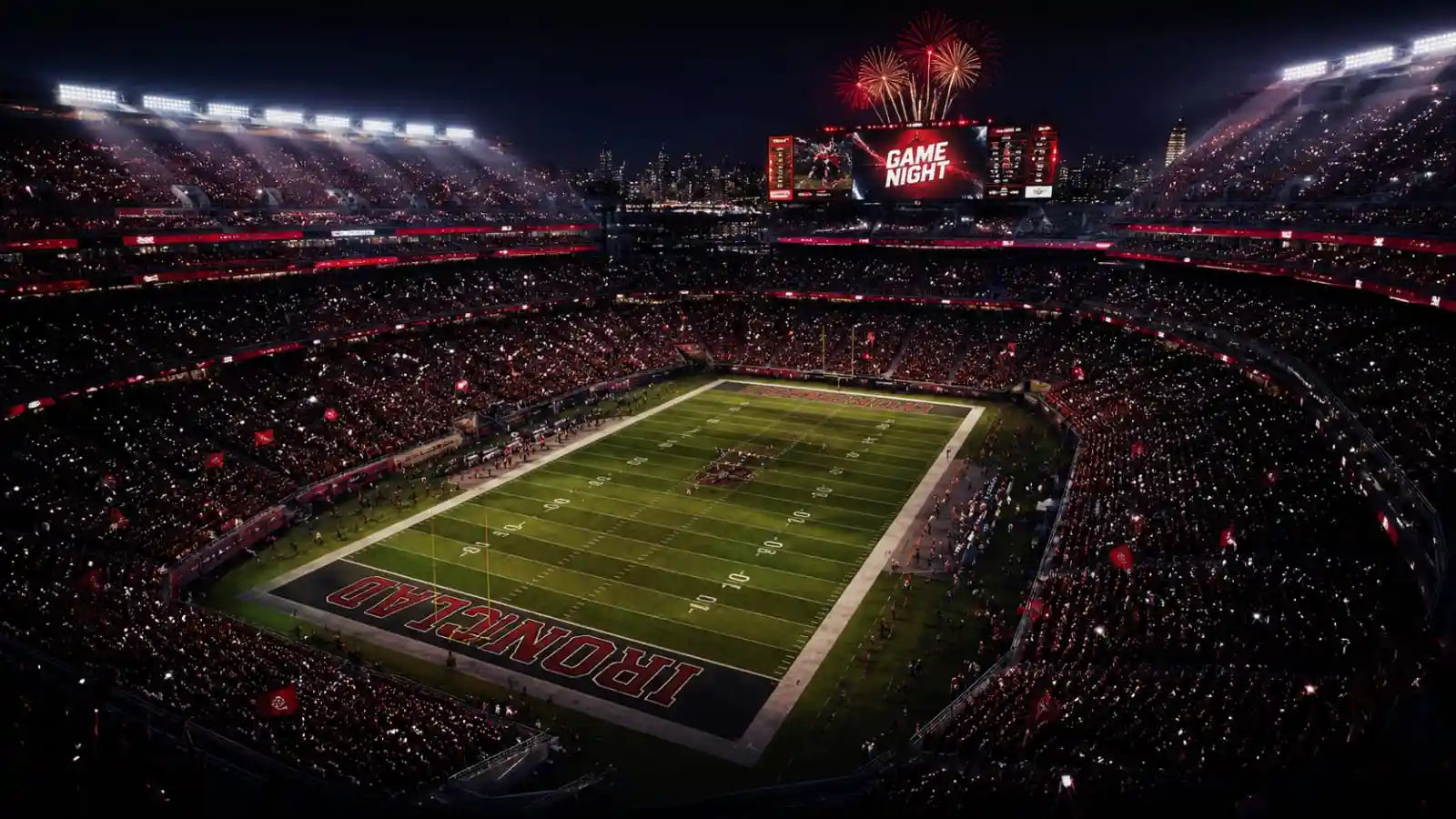
The Stadium That Runs on Silicon Valley Logic
Here is the governing principle of Levi’s Stadium: when the San Francisco 49ers commissioned a new home in 2010, they did not ask an architect to design a stadium. They asked one to design a platform. A platform for sport, for entertainment, for technology — a facility built around the premise that the fan experience of 2030 would be unrecognisable from that of 2010, and the building should be ready for it.
They were right. And now, in 2026, the most technologically forward-thinking stadium in the United States hosts six FIFA World Cup matches in the heart of the region that gave the world Apple, Google, Meta, and the modern internet.
The San Francisco 49ers invested $120 million in upgrades ahead of the 2026 FIFA World Cup. The published tournament capacity is 69,391.
This is not a stadium that is making do. This is a stadium that has been upgraded to perform.
Stadium Snapshot
| Official FIFA Name | San Francisco Bay Area Stadium |
| Commercial Name | Levi’s Stadium |
| Location | 4900 Marie P DeBartolo Way, Santa Clara, CA 95054 |
| Distance from San Francisco | 45 miles south (approx. 50 mins by Caltrain) |
| Distance from San José Airport | Under 5 miles |
| Opened | 2014 |
| Standard Capacity | 68,500 |
| World Cup Capacity | 69,391 |
| WC Upgrade Investment | $120 million |
| World Cup Matches | 6 — five group stage + Round of 32 |
| Playing Surface | Natural grass (installed for World Cup 2026) |
| Home Team | San Francisco 49ers (NFL) |
| Super Bowl History | Super Bowl 50 (2016) hosted here |
The Match Schedule at San Francisco Bay Area Stadium
Levi’s Stadium in Santa Clara will host six games during the 2026 FIFA World Cup, with five group stage matches scheduled for June 13, 16, 19, 22, and 25, and one Round of 32 match scheduled for July 1.
| Round | Date | Time (PT) | Confirmed Match |
|---|---|---|---|
| Group B | June 13, 2026 | 12:00 PM | Qatar vs Switzerland |
| Group J | June 16, 2026 | 9:00 PM | Austria vs Jordan |
| Group Stage | June 19, 2026 | TBC | TBC |
| Group Stage | June 22, 2026 | TBC | TBC |
| Group Stage | June 25, 2026 | TBC | TBC |
| Round of 32 | July 1, 2026 | TBC | TBC |
Six matches. The Bay Area’s first-ever World Cup knockout game arrives on July 1 — a historic moment for a region that has embraced football with growing intensity over the past decade.
The Technology Advantage: What Makes This Venue Unique
In a tournament of 16 extraordinary venues, Levi’s Stadium stands apart in one specific dimension: it was designed from the ground up as a smart building, and the experience inside reflects it.
Wi-Fi Infrastructure Levi’s Stadium was among the first sports venues in the world to install distributed antenna systems and Wi-Fi access points at stadium scale — enough bandwidth for every single fan in the building to stream HD video simultaneously. In a World Cup context, this means: real-time VAR replays on your phone as they happen. Social media posts without the lag that plagues every other stadium. Live second-screen statistics alongside what you are watching with your own eyes.
The Green Roof One of Levi’s Stadium’s most distinctive architectural features is its living roof — a 27,000 square-foot garden growing on top of the building’s main suite tower. The plants reduce heat absorption, manage stormwater runoff, and earned the stadium a LEED Gold sustainability certification. On a hot June afternoon in Santa Clara, standing on the rooftop garden offers a view of the Bay Area that no other spot in the stadium provides.
Solar Power The stadium has its own solar installation that, in normal operating conditions, generates more energy than the building consumes on non-event days. During World Cup matches, when 69,000 people are drawing power from every corner of the building, supplemental grid power is required — but the environmental credibility is real.
Tablet Ordering from Seats Premium seat holders can order food and drinks from digital devices at their seats, with delivery to their row. It is not a revolutionary concept in 2026, but Levi’s Stadium was among the first venues to implement it at NFL scale — and the system has been fully upgraded for the World Cup.
Getting There: The Transit Truth
The stadium sits in Santa Clara, about 45 miles south of San Francisco and less than 5 miles from San José Mineta International Airport. It has no direct rail connection from San Francisco, so most fans rely on Caltrain to Mountain View and then VTA light rail to Great America Station.
This is the most important practical fact about visiting Levi’s Stadium: it is not in San Francisco. It is in Santa Clara, in the heart of Silicon Valley, 45 miles south. Fans staying in San Francisco — the obvious choice for most international visitors — face a more complex commute than those in San José or Santa Clara itself.
The Recommended Route from San Francisco:
- Take Caltrain from San Francisco’s 4th & King Station to Mountain View Station (~45 minutes, $10–15 each way)
- Transfer to VTA Light Rail from Mountain View to Great America Station (~20 minutes, $2.50 each way)
- Walk 10 minutes to stadium entrance
Total journey time from central San Francisco: approximately 75–90 minutes. Book accommodation in San José or Santa Clara to cut this in half.
From San José Mineta Airport (SJC — closest): Under 5 miles. Rideshare ~10 minutes in normal traffic (allow 30 minutes on match days). The most convenient arrival airport for this venue.
From San Francisco International (SFO): BART to Millbrae → Caltrain to Mountain View → VTA to Great America. Allow 90 minutes total.
From Oakland International (OAK): BART to Fremont → ACE Train or Caltrain connection. Allow 90 minutes total.
Driving: US-101 and I-880 both serve the stadium. Parking at Great America theme park adjacent to the venue, approximately $30–50 in advance. Post-match exit on Tasman Drive and Great America Parkway — allow 45–60 minutes to clear.
The Bay Area: Where Nature, Culture and Technology Converge
The San Francisco Bay Area is one of the great destinations of world travel — a region so varied in landscape, culture, and character that a month here would not exhaust it. During the World Cup, 45 miles separate the stadium from the city. Those 45 miles contain some of the most interesting urban and natural terrain in the United States.
Must-Visit: San Francisco
The Golden Gate Bridge Walk it, cycle it, or simply stand at the Marin Headlands viewpoint and take it in. One of the engineering achievements of the 20th century, more beautiful in person than in any photograph. The fog is not a disappointment — it makes the experience surreal.
Fisherman’s Wharf & Pier 39 The sea lions on PIER 39’s K-Dock have been there since 1990 and show no signs of leaving. The clam chowder in sourdough bread bowls is a San Francisco institution. The ferry to Alcatraz Island — the former federal penitentiary in the bay — departs from here. Book the Alcatraz ferry weeks in advance.
The Mission District San Francisco’s Latino neighbourhood: taqueria culture, vibrant murals covering entire building faces, independent bookshops, record stores, and coffee shops. The Bay Area Host Committee has announced more than 30 free fan watch parties across the region, including at China Basin at Mission Rock near the San Francisco Giants’ ballpark and PIER 39. The Mission District will be the heartbeat of the Latin American football fan community during the tournament.
Chinatown The oldest in North America and still the most densely populated Chinese neighbourhood outside of Asia. Dim sum at the City View Restaurant or Great Eastern for lunch. Wander Sacramento Street at dusk.
Lands End & the Sutro Baths One of San Francisco’s great hidden gems: a coastal trail along the northern edge of the city overlooking the Pacific, ending at the ruins of the Sutro Baths — a Victorian-era public swimming complex, destroyed by fire in 1966, now a roofless ruin sitting in the surf. Eerie, beautiful, and unlike anything else in the city.
Must-Visit: Silicon Valley
The Computer History Museum, Mountain View The only museum in the world dedicated to the history of computing — from the Difference Engine to the iPhone. The permanent collection includes original Apple I computers, an IBM System/360, a Cray-2 supercomputer, and the history of the internet’s physical infrastructure. For a region hosting the World Cup, there is something appropriately on-brand about visiting the museum of the technology that will broadcast every match to a billion screens worldwide.
The Googleplex, Mountain View Google’s main campus is viewable from the public streets around Charleston Road. Rent a Google bike (Google’s famous coloured bicycles) or simply walk the campus perimeter. The Android statues near the visitor entrance are the obligatory photograph.
Santana Row, San José Silicon Valley’s answer to Rodeo Drive: a walkable street of high-end boutiques, restaurants, and a small hotel complex in downtown San José. The best concentration of restaurants near the stadium.
Bay Area Food: Eating Well in Silicon Valley
The Bay Area’s food culture is one of the most extraordinary in the United States — the region that invented farm-to-table dining as a philosophy, that produced Alice Waters and Chez Panisse, that has two Michelin three-star restaurants and dozens of two-stars spread across a 50-mile radius.
In San Francisco:
Sourdough Bread San Francisco sourdough is a protected cultural institution. The wild yeast lactobacillus sanfranciscensis gives the bread a distinctive tang found nowhere else on earth. Boudin Bakery at Fisherman’s Wharf has been baking it since 1849. The clam chowder served inside a sourdough bread bowl at the wharf is the definitive tourist eat — and it earns that status entirely.
Mission Burritos The Mission-style burrito — a massive flour tortilla packed with rice, beans, meat, salsa, guacamole, and cheese, wrapped in foil — was invented in San Francisco’s Mission District in 1961. La Taqueria on Mission Street is argued by many food writers to produce the finest burrito in the world. El Farolito (open until 3:30 AM) is the post-match destination.Lumen Field World Cup 2026: Why Seattle Could Deliver the Tournament’s Most Electrifying Atmosphere
Dungeness Crab San Francisco’s great gift to American seafood. In June, Pacific Dungeness crab is in season — sweet, tender, cold from the Pacific. At the wharf, it is served cracked open at outdoor tables with sourdough. This is the Bay Area lunch you should not skip.
Dim Sum The Bay Area’s Cantonese community gives the city one of the finest dim sum cultures outside Hong Kong. Yank Sing in SoMa for the upscale experience; the Richmond District on Clement Street for the neighbourhood original.
In Silicon Valley / Santa Clara:
South Bay Vietnamese Food The South Bay Area has one of the largest Vietnamese populations in the United States, concentrated in San José’s Little Saigon district. Pho Pasteur and the restaurants of Story Road serve pho and bánh mì that rival anything in the American Vietnamese canon.
Persian Food, Sunnyvale Silicon Valley has a substantial Iranian population, and Sunnyvale’s Persian restaurants are exceptional. Taverna Jaan and Maykadeh serve kebab platters, stews, and rice dishes that give Middle Eastern fans attending the Qatar vs Switzerland Group B opener a welcome taste of home.
What to Wear at Levi’s Stadium
June afternoons in Santa Clara average 75–80°F (24–27°C). July runs a touch warmer with highs around 81°F (27°C) and lows near 53°F (12°C). Both months are dry with minimal rain. Evening games cool off fast once the marine layer pushes in from the Bay, so pack a light layer for later starts.
- Afternoon matches: Sunscreen is essential — the open-air bowl offers limited shade in lower sections. A cap, light kit shirt, and sunglasses.
- Evening matches: The marine layer rolls in from the Pacific as the sun drops. A light jacket transforms from optional to essential after 8 PM.
- Bay Area Style: Smart casual throughout. San Francisco sets fashion trends — you will see every style from tech-bro minimalism to Mission District vintage. Wear your colours, own it.
Important note: The Bay Area microclimate is uniquely variable. What is 85°F in San José can be 62°F and foggy in San Francisco simultaneously. Check the forecast for Santa Clara specifically — not San Francisco — on match days.
Fan Zones Across the Bay
The Bay Area Host Committee has announced more than 30 free fan watch party locations across the region. The Golden State Warriors and Valkyries’ Thrive City big screen at Chase Center is one, along with China Basin at Mission Rock near the San Francisco Giants’ ballpark. PIER 39 provides a picturesque backdrop for games. In the East Bay, the Oakland Ballers will host games at Raimondi Park. The Santa Cruz Beach Boardwalk is another location.
This is the most geographically distributed fan zone network at the entire World Cup — 30+ locations spread across the entire Bay Area, from San Francisco to San José to Santa Cruz. For fans who do not have tickets, the Bay Area’s World Cup experience is a festival spread across a region of seven million people.
About the Author